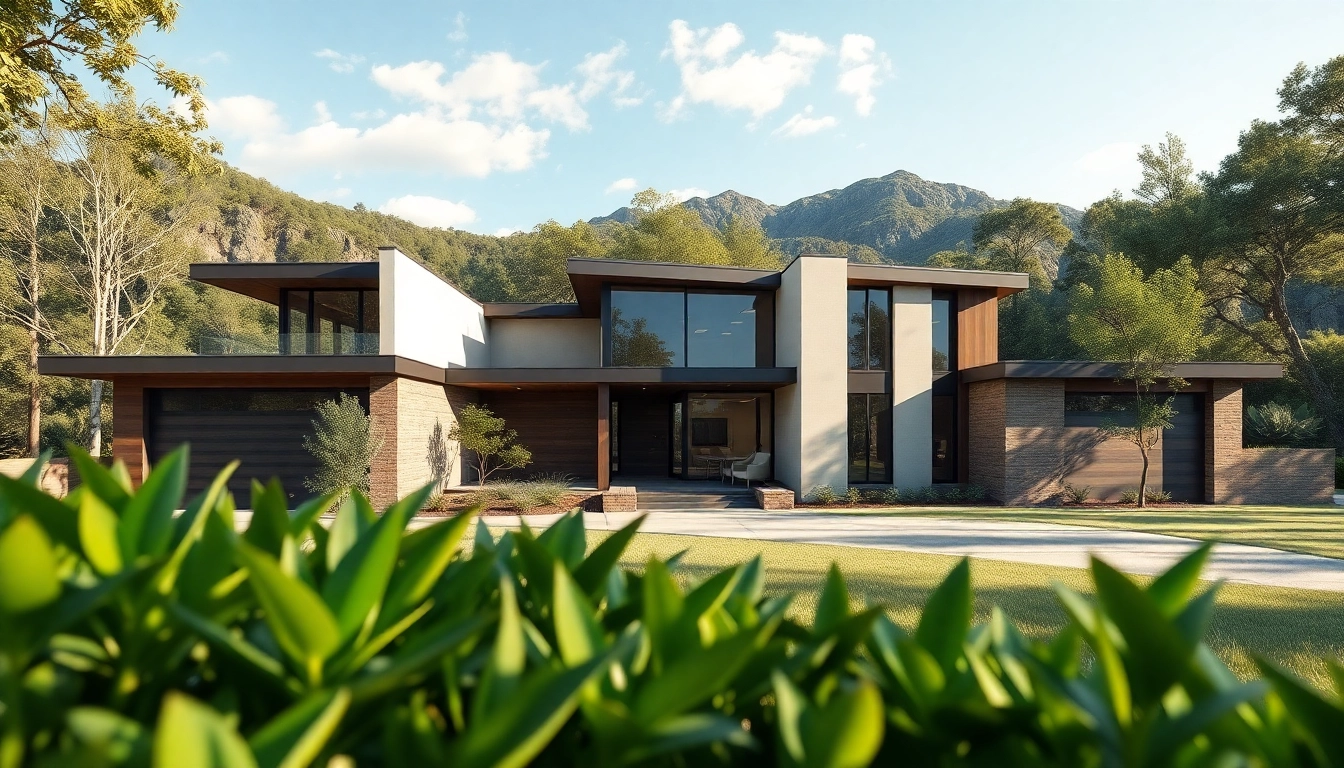

- Understanding Colonial Addition: Definition and Significance
- Planning Your Colonial Addition: Critical Considerations
- Design Elements of Colonial Addition: Key Features
- Building Your Colonial Addition: Step-by-Step Process
- Success Factors for Your Colonial Addition Project
- Frequently Asked Questions (FAQs)
Understanding Colonial Addition: Definition and Significance
A colonial addition serves as a bridge between historic aesthetics and modern living needs, providing homeowners with a unique opportunity to enhance their property while paying homage to traditional architectural styles. These structures not only expand living spaces but also enrich a home’s character. In essence, a colonial addition represents a synthesis of utility and heritage, uniquely responding to the demands of modern life without sacrificing the past.
Historical Background of Colonial Addition
The history of colonial addition is deeply rooted in America’s architectural evolution, predominantly stemming from early European settlers. In the 17th and 18th centuries, colonial homes were built with practicality in mind—focusing on symmetry, simplicity, and local materials. Over centuries, these homes evolved, bringing forth diverse styles influenced by regional aspects. Colonial additions typically carry these historical traits forward, seamlessly integrating into the architectural context of their environment.
Key Architectural Features
Colonial additions are characterized by distinct architectural elements such as gable roofs, classic columns, and detailed moldings. Typically symmetrical, these additions utilize bricks, wood, and stone, interpreting the traditional craftsmanship in a contemporary light. Features such as transom windows, sidelights, and decorative shutters not only enhance the aesthetic appeal but also echo the construction techniques and styles prevalent during the colonial period. Each addition tells a story through its design, maintaining visual consistency with the original structure while accommodating modern needs.
Preserving Heritage while Modernizing
When planning a colonial addition, preservation of heritage becomes paramount. Homeowners must balance adapting to current lifestyle needs while maintaining the integrity of historical elements. This may involve using period-appropriate materials and styles that reflect the original architecture. The goal is to create a seamless blend where the old and new coexist, celebrating the home’s past and enhancing its future.
Planning Your Colonial Addition: Critical Considerations
Site Assessment and Regulations
The first step in planning a colonial addition is conducting a thorough site assessment. This involves evaluating the land, existing structures, and local zoning laws. Understanding any historical preservation regulations is crucial, as certain restrictions may dictate the style and materials permitted for the addition. Working with professionals who are familiar with these regulations ensures that the project remains compliant and respectful of historical contexts.
Design Plans: Styles and Materials
When it comes to designing a colonial addition, selecting the right architectural style and materials is essential. Homeowners should explore various colonial styles—such as Georgian, Federal, and Cape Cod—to determine which best complements the existing structure. Materials should align with traditional practices; for instance, using clapboard siding or brick can effectively mirror the home’s original façade. Collaborating with an architect who specializes in colonial architecture can result in cohesive and aesthetically pleasing plans.
Budgeting for Your Colonial Addition
Budgeting for a colonial addition requires careful planning and consideration of various factors, including materials, labor, and design fees. Homeowners should establish a budget that not only reflects the initial costs but also considers potential future maintenance expenses. It can be beneficial to set aside a contingency fund for unexpected costs during construction. Engaging with a contractor early in the planning can provide insights into realistic budgeting based on local market conditions and project scope.
Design Elements of Colonial Addition: Key Features
Architectural Styles and Variations
Within colonial architecture, there are several variations that homeowners can explore while planning their additions. Each style carries unique characteristics that can enhance the overall appearance of the home. For instance, a Georgian colonial addition may feature double-hung sash windows and decorative cornices, while a Federal style may include elements like a fanlight and elegant doorways. Understanding these distinctions allows homeowners to choose a style that not only matches their personal aesthetics but also resonates with historical significance.
Color Schemes and Textures
The color palette used in a colonial addition plays a pivotal role in its appearance. Traditionally, Colonial colors were muted—think soft grays, whites, and natural earth tones. Accents can be incorporated through shutters, trim, and door colors, emphasizing architectural features. Moreover, texture adds depth to the design; combining materials such as brick, wood, and stone can create a visually interesting façade that reflects historical authenticity while accommodating modern preferences.
Landscaping Considerations
Effective landscaping can significantly enhance a colonial addition’s appeal. Homeowners should consider planting native trees and shrubs that complement the architecture and provide a timeless, elegant setting. Incorporating walkways that echo historical paths and features like period-style lighting can create an inviting approach to the home. Additionally, outdoor living spaces such as porches or patios can extend recreational areas while harmonizing with the overall design ethos.
Building Your Colonial Addition: Step-by-Step Process
Selecting a Builder
Choosing the right builder is crucial for successfully executing a colonial addition. Homeowners should seek experienced professionals with a proven track record in similar projects. Conducting interviews and reviewing portfolios allows homeowners to gauge a builder’s suitability for the project. Referrals from friends or online reviews can also provide insights into the builder’s reliability, communication, and craftsmanship.
Construction Phases and Timeline
The construction of a colonial addition typically unfolds in distinct phases, including site preparation, foundation work, framing, and finishing. Establishing a clear timeline helps manage expectations and ensures that each stage is completed methodically. Engaging with a project manager can facilitate coordination among contractors, thus minimizing delays and ensuring adherence to design specifications. Regular site visits and updates contribute to a smoother workflow and prompt problem-solving during the building process.
Quality Control and Inspections
During the construction of a colonial addition, implementing strict quality control measures is essential. Regular inspections throughout the construction process help ensure compliance with building codes and design specifications. Homeowners should work closely with their contractor to address any discrepancies immediately. Documenting progress through photographs and written records can offer valuable insights into the building process and provide clarity for future maintenance or evaluations.
Success Factors for Your Colonial Addition Project
Understanding Owner Expectations
Establishing clear expectations is crucial for the success of any colonial addition project. Homeowners should communicate their vision effectively, detailing their desired outcomes and functional needs. Involving all stakeholders in this process promotes clarity and consolidates diverse viewpoints, mitigating the potential for misunderstandings. Regular discussions and updates with the design and construction team can help ensure that the project remains aligned with the homeowner’s expectations throughout the construction process.
Maintenance of Colonial Additions
Maintaining a colonial addition requires a proactive approach to address wear and tear. Homeowners should establish a regular maintenance schedule to inspect roofing, siding, and windows, ensuring they remain in optimal condition. Utilizing period-appropriate materials for repairs not only preserves authenticity but also extends the lifespan of the addition. Additionally, seasonal landscaping care enhances the overall curb appeal and maintains the home’s aesthetic integrity.
Evaluating Long-term Sustainability and Value
When contemplating a colonial addition, it is essential to evaluate its long-term sustainability and value. This involves examining factors such as energy efficiency, material longevity, and alignment with market trends. Homeowners may consider implementing modern energy-efficient systems while preserving historical aesthetics. By enhancing both livability and value, a well-planned colonial addition can prove to be a wise long-term investment.
Frequently Asked Questions (FAQs)
What is a colonial addition?
A colonial addition is an architectural extension that complements the traditional features of colonial-style homes, enhancing aesthetics and living space.
How can I ensure my colonial addition matches my home?
Consulting with a specialist in colonial architecture can help you select appropriate styles, materials, and designs that align with your existing home.
What are the typical costs associated with a colonial addition?
Costs can vary widely based on size, materials, and location. On average, budgeting for quality materials and skilled labor can lead to a successful project.
Are there specific regulations for colonial additions?
Local zoning and historical preservation regulations may apply, especially in historic districts. It’s essential to consult local authorities before beginning your project.
How much does maintenance for a colonial addition typically cost?
Maintenance costs vary based on materials used and local climate. Regular inspections and timely repairs can help control ongoing expenses.