Understanding Metal Fence Panels
What Are Metal Fence Panels?
Metal fence panels are structured barriers made from various types of metal, designed primarily for enclosing properties, gardens, and outdoor spaces. Their durability, aesthetic appeal, and variety of designs provide property owners with both security and style. These panels are typically pre-fabricated, making them easier to install compared to traditional wooden fences. With increasing demand for longevity and low maintenance, metal fences have become a popular alternative in modern fencing solutions.
Advantages of Metal Fence Panels
Metal fence panels offer a range of advantages that make them a preferred choice among homeowners and businesses alike. Firstly, they are highly durable and resistant to harsh weather conditions, pests, and rot, significantly outlasting wooden fences. This leads to lower long-term costs as replacements are less frequent. Additionally, metal fences provide excellent security, with sturdier material that deters unauthorized access. They also require minimal maintenance; a simple occasional wash can keep them looking new. Finally, metal fence panels come in a variety of designs, enabling customization to enhance the aesthetic value of your space.
Common Materials Used
Metal fence panels can be constructed from several materials, including:
- Steel: Known for its strength and resistance to damage, steel is ideal for security fencing.
- Aluminum: Lightweight and resistant to rust, aluminum is great for decorative uses.
- Wrought Iron: Offers classic appeal and is incredibly sturdy, often used in ornamental applications.
- Chain Link: Cost-effective and practical for securing large spaces, chain link fencing is versatile and easy to install.
Types of Metal Fence Panels
Wrought Iron vs. Aluminum
Wrought iron and aluminum are two popular materials for metal fencing, each with its unique characteristics. Wrought iron is known for its strength and ability to be molded into intricate designs, making it an excellent choice for decorative gates and traditional fencing. However, it requires regular maintenance to prevent rust. On the other hand, aluminum is lightweight and resistant to corrosion, making it ideal for coastal areas. Its variety of finishes allows for a range of styles that can complement any property.
Chain Link vs. Steel Panels
Chain link fences are commonly used for industrial applications and residential properties due to their affordability and ease of installation. However, they are viewed as less aesthetically pleasing compared to steel panel fencing. Steel panels offer a more solid construction with various design options, providing enhanced security and privacy. They can also be treated with protective coatings to prevent rust, adding to their longevity.
Decorative Options Available
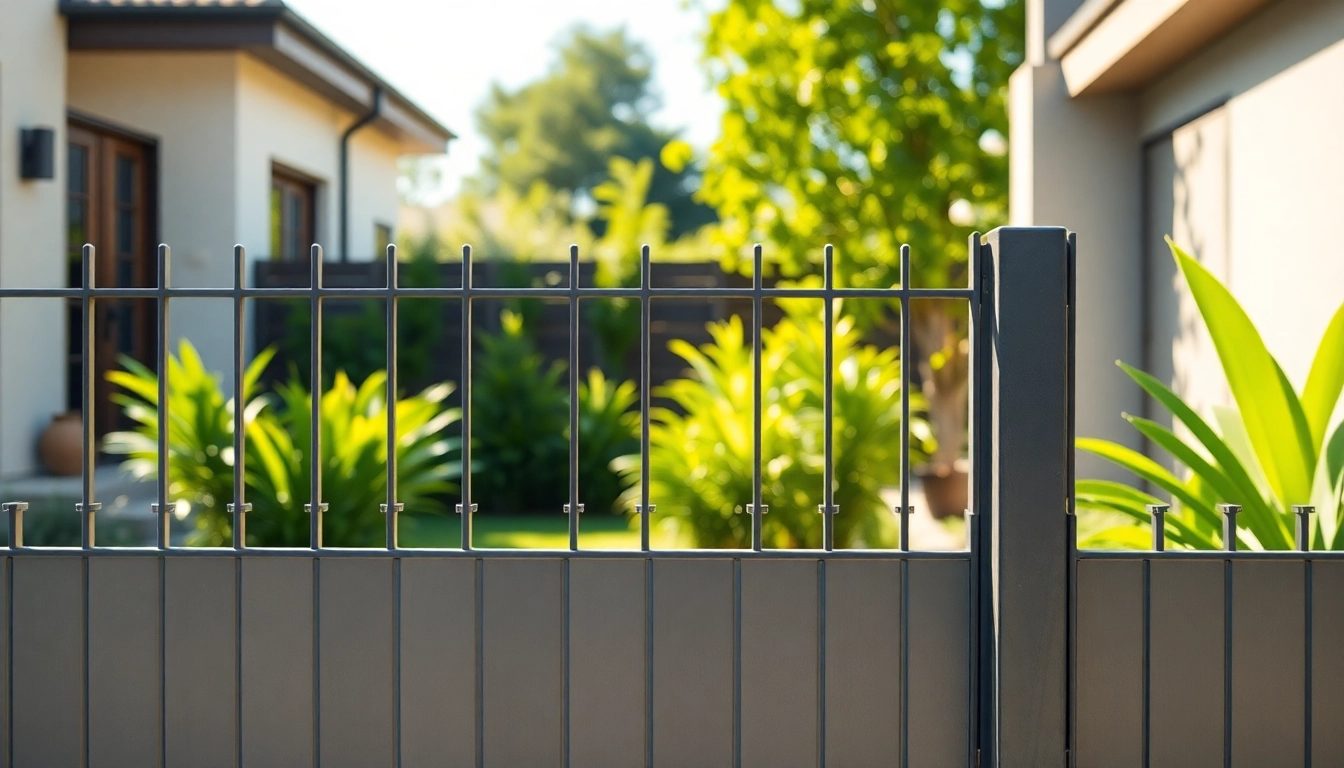
For those looking to enhance the visual appeal of their property, decorative metal fence panels are a great option. Options may include ornamental designs that add elegance while maintaining structural integrity. From intricate patterns in wrought iron to modern geometric designs in aluminum, these decorative panels can transform any outdoor space. Custom colors and finishes allow homeowners to match their fence with their home’s exterior or landscape.
Installation Considerations
Preparing Your Site
The installation of metal fence panels begins with thorough site preparation. This may include clearing the area of any debris and vegetation, and ensuring that the ground is level. Assessing local zoning requirements and obtaining necessary permits is also crucial to avoid potential legal issues. Taking the time to prepare the site will ensure the longevity and stability of the fence.
Tools and Equipment Needed
Installing metal fence panels requires specific tools to ensure effective assembly and construction. Essential tools include:
- Post Hole Digger: For digging holes for fence posts.
- Level: To ensure the panels are installed straight.
- Power Drill: Needed for securing brackets or screws.
- Measuring Tape: To measure distances accurately.
- Safety Gear: Such as gloves and goggles to ensure safety during installation.
Professional vs. DIY Installation
While installing metal fence panels as a DIY project can be rewarding and cost-saving, it’s essential to consider the complexity involved. Hiring professionals ensures that the fence is installed correctly and adheres to all local regulations. Professionals also bring the experience necessary to handle unforeseen issues that may arise during installation. However, if you choose to go the DIY route, careful planning and following safety protocols can lead to a successful installation.
Maintenance Tips for Longevity
Cleaning and Upkeep
To maintain the aesthetic and functional integrity of metal fence panels, regular cleaning is crucial. A simple wash with soap and water can remove dirt and grime. For tougher spots, a mixture of vinegar and water can be an effective cleaning solution. It’s recommended to inspect the panels at least bi-annually to identify potential issues such as scratches or signs of wear that may need attention.
Rust Prevention Strategies
Rust is a common issue with metal fences, especially those made from iron. To prevent rusting, consider applying a rust-inhibiting primer along with a high-quality exterior paint. Regular inspections will help identify rust spots early, allowing for timely repair. Additionally, ensuring proper drainage around the fence will minimize water accumulation, further preventing rust formation.
Signs of Wear to Watch For
It’s important to be aware of signs indicating that your metal fence may need maintenance. Look for rust patches, bent panels, and loose bolts that could compromise the structure’s integrity. If significant damage occurs, it may be worth consulting professionals for repairs or replacements to avoid compromising the security and aesthetic of your property.
Frequently Asked Questions
How long do metal fence panels last?
With proper maintenance, metal fence panels can last over 20 years, depending on the material used.
Can I paint my metal fence panels?
Yes, you can paint metal fence panels, but use a rust-inhibiting primer and exterior paint for best results.
Are metal fences weather resistant?
Quality metal fences are designed to withstand various weather conditions, making them durable and long-lasting.
Do metal fences require a foundation?
Yes, a solid foundation is essential for stability, especially for taller metal fence panels.
What are the costs involved with metal fencing?
Costs can vary based on materials and installation, averaging between £30 to £100 per panel, installed.
For more information and expert advice on metal fence panels, visit www.metalfencepanels.co.uk.