
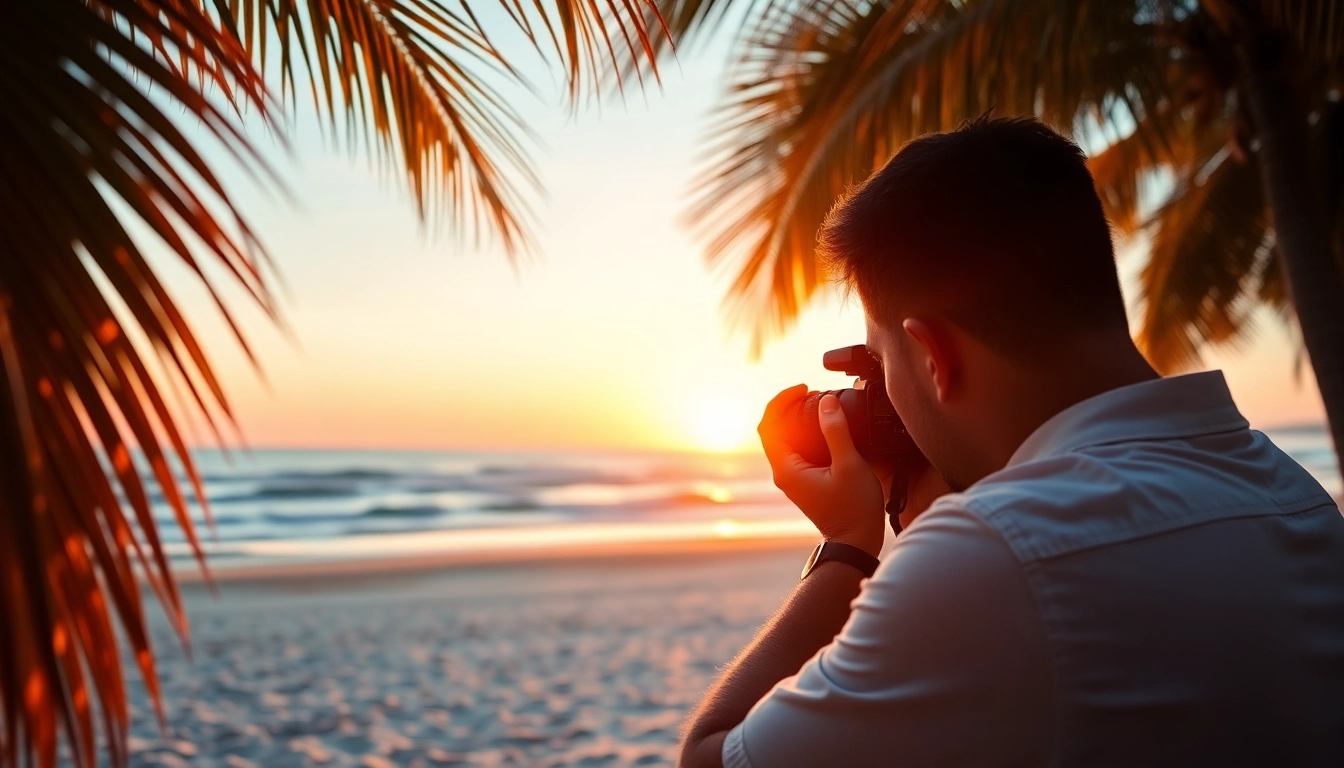
Understanding the Role of a Destination Photographer
Destination photography encompasses capturing events, landscapes, and people in unique and breathtaking locales around the world. A Destination photographer not only possesses technical skills but also embodies an artistic vision that transforms ordinary moments into extraordinary memories. This role transcends beyond traditional photography by merging travel, culture, and storytelling into one captivating service.
What Does a Destination Photographer Do?
A destination photographer specializes in photographing events like weddings, family reunions, or corporate gatherings held in picturesque and often exotic locations. Their responsibilities include:
- Pre-Event Planning: Consultation with clients to understand their vision, preferences, and logistics.
- Site Visits: Scouting the location to identify perfect shooting spots, considering lighting, backgrounds, and composition.
- Capturing Moments: Use professional techniques to capture emotional and spontaneous moments during events.
- Post-Processing: Editing photos to enhance visual appeal while maintaining a natural quality.
- Delivering Final Products: Providing clients with digital images, photo books, or prints that encapsulate their experience.
Essential Skills for Destination Photography
Being an effective destination photographer requires a mix of technical skills, creativity, and interpersonal abilities. Key skills include:
- Camera Proficiency: Advanced knowledge of camera equipment and settings to adapt to varying conditions.
- Artificial and Natural Lighting Techniques: Ability to manipulate light sources to enhance image quality.
- Composition: Understanding of framing, perspective, and the rule of thirds for striking images.
- Adaptability: Flexibility to handle unexpected situations, such as sudden weather changes or schedule adjustments.
- Communication: Building rapport with clients and local vendors to create a collaborative environment.
Why Choose a Destination Photographer for Your Event?
Opting for a destination photographer offers several advantages:
- Specialization: They are trained to address the unique challenges posed by non-local environments.
- Creative Vision: An understanding of how to capture the essence of a locale adds depth to their shots.
- Stress Reduction: Having a professional ensures that you can enjoy the moment without worrying about photography.
Choosing the Right Destination for Your Photography
The right location can define your photograph’s mood and style. Here’s how to choose wisely:
Top Destinations for Stunning Photography
Certain locations have gained renown among photographers for their breathtaking visuals:
- Bora Bora: Famed for its sapphire waters and exotic surroundings, ideal for romantic shoots.
- Paris: Known as the city of love, perfect for intimate wedding and engagement photography.
- Santorini: Its picturesque white-washed buildings and stunning sunsets create magical backdrops.
- Kyoto: Traditional architecture and beautiful gardens; great for cultural and historical photography.
- Safari in Africa: Wildlife photography offers dramatic landscapes and unique subjects.
How to Select the Perfect Location
Selecting a location should consider several factors:
- Personal Connection: Choose a place that resonates with you personally, ensuring your images convey genuine emotion.
- Accessibility: Consider the ease of travel, accommodations, and local laws or permits required for photography.
- Aesthetic Appeal: Look for locations that offer visually striking environments with diverse settings.
Considering Seasons and Weather for Optimal Shots
Timing your shoot can significantly affect the outcome:
- Weather Patterns: Research the climate and seasonal changes to anticipate optimal conditions.
- Golden Hour: Plan shoots during early morning or late afternoon for the best natural light.
- Seasonal Highlights: Seasonal blooms or autumnal colors can add depth and variety to your photos.
Preparing for Your Destination Photography Session
Preparation is key to a successful shoot. Here’s how to get ready:
What to Pack for Your Destination Shoot
Careful packing can make or break your destination shoot:
- Camera Gear: Include multiple lenses, extra batteries, memory cards, and cleaning kits.
- Clothing: Dress appropriately for the climate and events, and consider layers for changing conditions.
- Backup Equipment: A secondary camera and lenses can prevent pitfalls due to technical failures.
Scouting Locations Ahead of Time
Pre-visit the location to understand its layout:
- Local Environment: Explore the area to identify the best spots for lighting and composition.
- Logistics: Take the time to assess accessibility and convenience for both you and your clients.
Collaborating with Local Vendors and Guides
Working with local professionals can enhance your shoot experience:
- Local Insights: Vendors can share knowledge about the area, best locations, and the right times for shooting.
- Networking: Building partnerships can create opportunities for referrals and joint projects.
Techniques for Great Destination Photography
Master techniques to elevate your photography:
Utilizing Natural Lighting for the Best Shots
Natural light creates stunning visuals.
- Soft Light: Overcast conditions can be perfect for even skin tones and less harsh contrasts.
- Backlighting: Positioning subjects against the sun creates beautiful silhouettes and glows.
- Reflectors: Use reflectors to bounce light and soften shadows, enhancing facial features.
Composing Images Like a Pro
Effective composition draws viewers in:
- Rule of Thirds: Divide your frame into thirds for better balance and interest.
- Leading Lines: Use natural lines within the scene to guide the eye toward the subject.
- Framing: Utilize natural elements, like branches or arches, to frame your subject.
Incorporating Local Culture into Your Photography
Capture the essence of the destination by embracing its culture:
- Local Events: Attend festivals or traditions to add authentic community elements to your shots.
- Cultural Landmarks: Incorporate well-known sites to provide context and embody the spirit of the location.
- People’s Stories: Photograph locals to create a narrative that showcases cultural diversity.
Post-Processing Tips for Destination Photography
Editing is essential for making your photos shine:
Editing Techniques to Enhance Your Photos
Post-production can dramatically improve images:
- Color Correction: Adjust hues and saturation to enhance the appeal without losing natural tones.
- Sharpening: Enhance details but avoid over-sharpening that may introduce artifacts.
- Noise Reduction: Minimize graininess, especially in low-light shots, for a cleaner look.
Choosing the Right Software for Enhancements
Select software that meets your editing needs:
- Adobe Lightroom: Ideal for comprehensive editing with user-friendly batch processing.
- Adobe Photoshop: Excellent for detailed adjustments and advanced retouching features.
- Affinity Photo: A powerful alternative at a lower price point for similar capabilities.
Sharing Your Work: Social Media and Beyond
Getting your images seen can lead to new opportunities:
- Social Media Platforms: Use platforms tailored to photographers, like Instagram and Pinterest.
- Blogging: Create a photography blog to showcase your destination experiences and attract clients.
- Networking: Join online photography communities to connect with potential clients and collaborators.
Frequently Asked Questions
What should I look for in a destination photographer?
Look for experience, a strong portfolio showcasing previous work, and good reviews. Effective communication and creativity are also crucial.
How can I prepare for a destination photo session?
Communicate your vision with the photographer, choose a location, and plan the best time for lighting. Packing essentials like outfits and props is vital, too.
What are some must-have tools for destination photography?
Essential tools include a reliable camera, multiple lenses, memory cards, extra batteries, and editing software for post-processing enhancements.
How do I choose the best time and season for a destination shoot?
Research the area’s weather patterns, local events, and optimal lighting conditions to plan your shoot during the best times possible.
How important is post-processing in photography?
Post-processing is significant as it enhances image quality, corrects imperfections, and achieves the desired artistic style, making it crucial for professional results.


