The Importance of a Shower Screen Sliding Door
In modern bathroom design, maximizing both space and style is crucial. One element that can significantly enhance your bathroom experience and aesthetics is a shower screen sliding door. A well-chosen shower screen sliding door not only provides easy access but also contributes to an overall more comfortable and pleasing atmosphere. Let’s explore the multifaceted benefits these doors offer, especially for those with compact bathrooms.
1.1 Benefits for Small Spaces
Small bathrooms can often feel cramped, making effective use of space essential. Shower screen sliding doors are inherently space-efficient. Unlike traditional hinged doors that require additional room to swing open, sliding doors glide along a track, allowing you to maintain valuable floor space. This feature can make a significant difference in the usability and look of compact bathrooms. For example, they eliminate the need for clearance around the shower entrance, contributing to a more open and airy feel in the bathroom.
Moreover, these doors can often be fitted into custom shower enclosures, which can further optimize the layout and design of your bathroom. This can be particularly advantageous in urban settings, where space is often at a premium.
1.2 Enhancing Bathroom Aesthetics
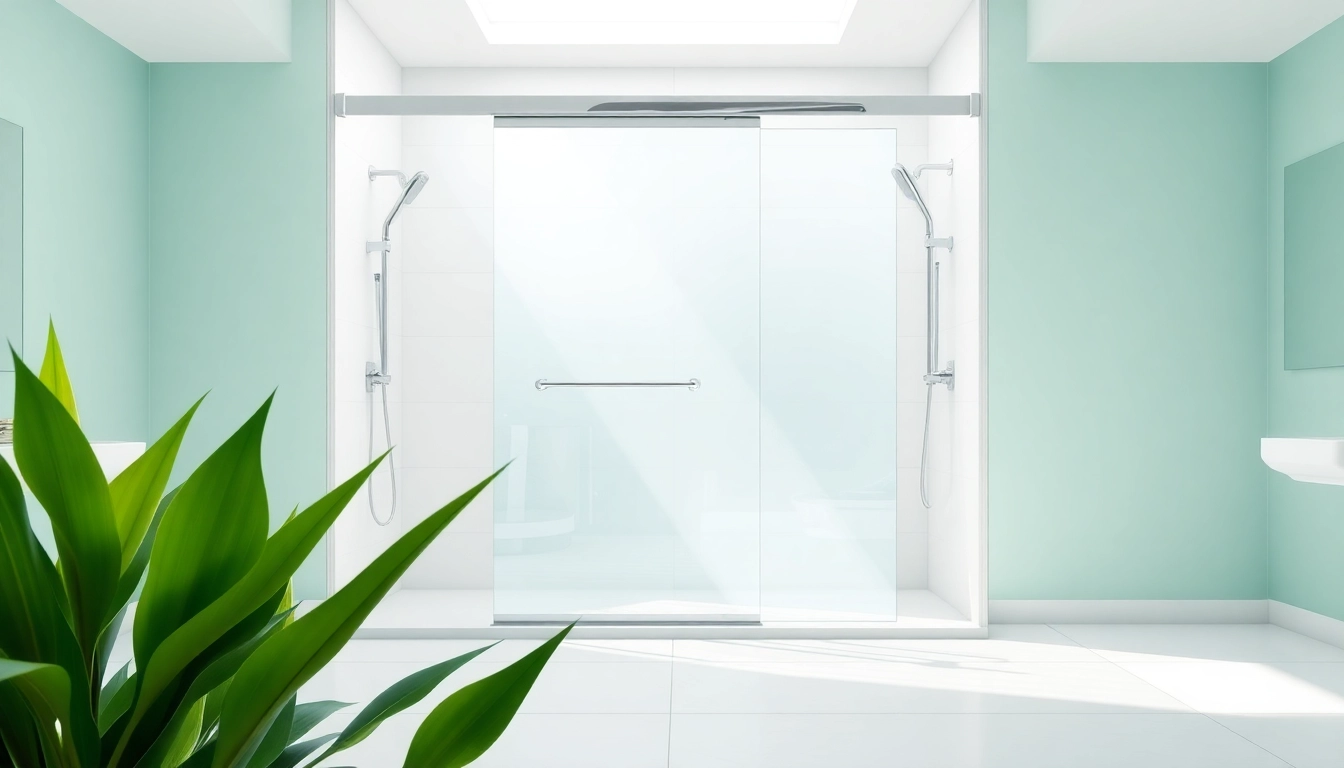
With various styles and finishes available, shower screen sliding doors can act as a striking focal point in your bathroom. Whether you opt for a sleek, minimalistic design or a more ornate style, the right sliding door can complement your overall decor, enhancing the visual appeal of your space. Frameless sliding doors, in particular, create an illusion of more space, as the absence of bulky frames allows for seamless transitions between different areas of the bathroom.
Furthermore, glass doors can enhance natural light, creating a bright and welcoming atmosphere. With customizable options such as frosted glass, tinted glass, or patterned finishes, you can tailor your shower screen to fit your personal style while maintaining a cohesive look throughout the bathroom.
1.3 Practicality and Ease of Use
Shower screen sliding doors are designed for efficiency and ease of use. The smooth gliding mechanism allows for effortless entry and exit, which is especially beneficial for children and elderly individuals who may have difficulty using traditional doors. Additionally, the streamlined design often features less hardware, resulting in fewer components that can wear out over time.
Another important aspect is the ease of cleaning. Glass sliding doors can be quickly wiped down to remove soap scum and water spots, helping to maintain a pristine appearance. By selecting high-quality materials with protective coatings, you can further reduce the maintenance necessary to keep your shower screen looking brand new.
Types of Shower Screen Sliding Doors
2.1 Framed vs. Frameless Options
When choosing a shower screen sliding door, one of the main decisions you’ll face is whether to go with a framed or frameless design. Framed doors typically feature metal framing around the glass panels, providing additional structure and support. They are often regarded as more durable and easier to install for DIY projects, making them a popular choice for homeowners.
On the other hand, frameless sliding doors offer a modern and luxurious aesthetic. By eliminating the visible frames, they create a sleek, uninterrupted look that can make your bathroom feel more spacious. While they may require specialized installation, frameless doors are often composed of thicker glass, enhancing their sturdiness and durability.
2.2 Material Choices Explained
The material used for your shower screen sliding door can greatly affect its functionality, longevity, and appearance. Most commonly, you’ll find options such as tempered glass, acrylic, and polycarbonate. Tempered glass is highly preferred due to its strength and resistance to thermal stress, making it ideal for a bathroom environment.
Acrylic doors are lighter and more affordable but may scratch more easily than glass. Polycarbonate is a more durable alternative to acrylic but can become discolored over time. When selecting materials, consider not only the cost but also your preferences for aesthetics, maintenance, and performance.
2.3 Customization Options
Customization is one of the standout features of modern shower screen sliding doors. Homeowners can choose various design elements to suit their taste and bathroom style. From selecting the type of glass to the size and shape of the door itself, customization allows you to tailor your purchase to your unique needs.
Additionally, you can pick hardware finishes (like chrome, brushed nickel, or matte black) and handle styles that complement your bathroom decor. Many manufacturers also offer custom measurements, ensuring a perfect fit for any shower space, which is particularly important in older or uniquely designed homes.
Installation Process for Shower Screen Sliding Doors
3.1 Preparing Your Bathroom
Before installation, proper preparation is crucial. This includes ensuring your bathroom floor and wall are level and in good condition. Measure your shower space not only for width and height but also depth, as these figures will dictate the type of sliding door you can choose. In many cases, a professional installation service will provide a consultation to assess your space and installation requirements.
Before starting, ensure the area is clear of any toiletries and other items, providing ample room to work. Having your materials and tools on hand, such as a drill, level, and caulking, will make the process smoother and more efficient.
3.2 Step-by-Step Installation Guide
The installation of a shower screen sliding door generally follows a straightforward process:
- Install the bottom track by securing it to the floor and ensuring it is level.
- Attach the wall brackets to the wall where the shower screen will be mounted.
- Slide the glass panels into the bottom track and lift them into place, securing them in the wall brackets.
- Install the top track, ensuring it is securely attached and holds the glass panels in place.
- Seal around the edges with caulk to prevent water leaks and enhance the door’s longevity.
Although DIY installation can be done with patience, consider hiring professionals for more complex layouts or for added peace of mind.
3.3 Common Installation Mistakes
Even the most skilled DIYers can make mistakes during installation. Common errors include mismeasuring the door space, leading to ill-fitting doors, and failing to level the tracks properly, which can result in operational issues. Additionally, neglecting to apply adequate sealing can lead to water leaks, damaging nearby cabinetry and flooring.
One of the best ways to mitigate potential issues is to review the manufacturer’s installation guidelines carefully. If uncertain, it may be more prudent to engage a professional to ensure the work is completed correctly the first time.
Maintenance and Care for Your Shower Screen Sliding Door
4.1 Cleaning Techniques
Routine cleaning is essential for maintaining the clarity and functionality of your shower screen sliding door. Mild detergents mixed with warm water typically suffice for cleaning the glass. A soft sponge or cloth is ideal for preventing scratches during the cleaning process. Additionally, utilizing a squeegee after each shower can greatly reduce water spots and soap scum buildup.
For more stubborn stains, consider using a vinegar and water solution. However, avoid abrasive cleaners or sponges that can scratch fragile surfaces.
4.2 Addressing Water Stains and Hard Water Issues
Hard water stains can be a persistent problem and may require specialized cleaning solutions to remove. Regular maintenance can include applying a glass treatment product that repels water and prevents mineral deposits from adhering to the surface. If stains do occur, use a descaling agent to gently break down these deposits. Regular cleaning schedules help prevent these issues from becoming too severe.
4.3 Preventative Measures
Investing in a quality shower screen sliding door is a great first step toward longevity, but there are additional measures you can take. Installing a water softener can effectively reduce the hardness of your water supply, leading to fewer mineral deposits on your glass. Additionally, ensure proper ventilation in your bathroom to promote a drier environment, which will help deter mold and mildew growth.
Frequently Asked Questions About Shower Screen Sliding Doors
5.1 What is the best material for a sliding door?
The best material for a sliding door is tempered glass, as it offers excellent durability and resistance to thermal stress. It is also easy to clean and maintain, making it a preferred choice for shower enclosures.
5.2 How do I choose the right size?
Measure the height and width of your shower space, accounting for the height of the shower head and any obstacles. Always consider extra space for the sliding mechanism in your measurements to ensure a proper fit.
5.3 Are sliding doors water-tight?
While sliding doors can be designed to minimize water leakage, they are not entirely water-tight. Proper installation and sealing can help reduce leaks, but regular maintenance is key to maintaining effectiveness.
5.4 How can I enhance privacy with a sliding door?
To enhance privacy, consider options like frosted or etched glass. You can also use shower curtains or shades within the door frame for added privacy without compromising style.
5.5 What are the average costs for installation?
The average cost for installation varies based on materials and labor but generally ranges from a few hundred to over a thousand pounds. It’s essential to obtain quotes from multiple installers for the best price.