
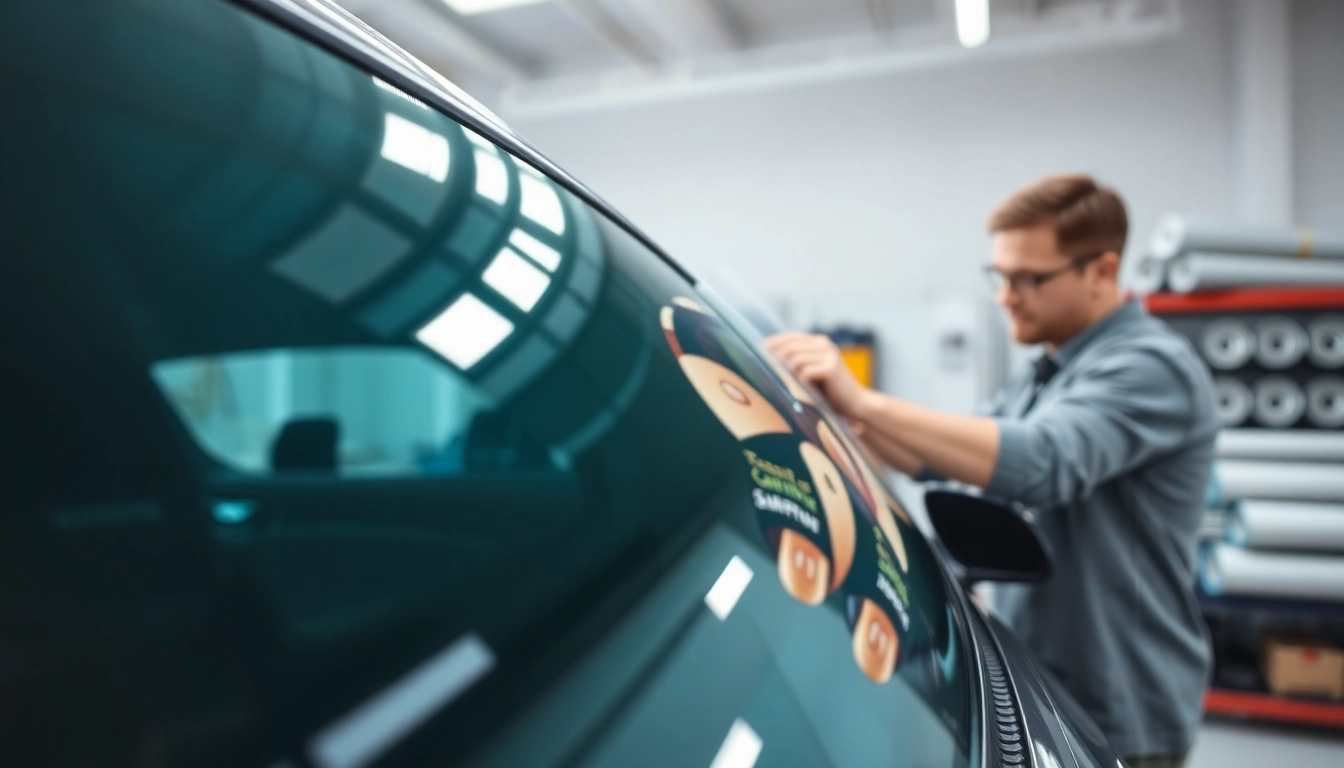
Understanding Window Tinting
What is Window Tinting?
Window tinting is the process of applying a thin film to the interior or exterior of windows, primarily in vehicles and buildings. The film serves various purposes, such as enhancing privacy, reducing glare, blocking UV rays, and improving aesthetic appeal. Window tint films are made from a combination of polyester or other plastics and come in varied levels of darkness and types, allowing customization to suit individual preferences.
Benefits of Window Tint near Me
Choosing window tint near me offers numerous advantages. One primary benefit is heat reduction; window tints can reflect a significant portion of sunlight, keeping interiors cooler in hot weather. Additionally, window tinting can provide UV protection, which helps to prevent skin damage and fading of interior materials over time. For aesthetic appeal, the right tint can enhance the appearance of a vehicle or building, creating a sophisticated and polished look. Furthermore, tinted windows can also improve privacy, making it harder for outsiders to see inside while still allowing adequate light filtration.
Types of Window Tinting Films
There are several types of window tinting films available, each with unique features:
- Dyed Window Films: These films provide a uniform dark appearance and are great for enhancing privacy. While they offer some heat rejection, they don’t have the same performance capabilities as other films.
- Metalized Window Films: These films incorporate tiny metallic particles, which help in reflecting heat and UV rays. They provide a shiny appearance and are durable, but they might interfere with electronic signals.
- Carbon Window Films: This type of film offers excellent heat rejection and maintains a natural look without a reflective appearance. Carbon films also resist fading over time.
- Ceramic Window Films: These high-end films are known for their superior heat rejection and UV blocking properties. They are non-reflective and maintain clarity while offering maximum comfort.
- Hybrid Films: Combining the benefits of dyed and metalized films, hybrid films offer excellent heat rejection while minimizing glare.
Choosing the Right Window Tint
Factors to Consider for Window Tint near Me
When selecting the right window tint, consider the following factors:
- Local Laws: Different regions have specific legal limits concerning the darkness and reflectiveness of window tint. Always check local regulations to stay compliant.
- Purpose: Determine what benefits you seek from tinting—whether for UV protection, heat reduction, privacy, or aesthetics.
- Film Type: Based on your needs and budget, choose from the variety of films available that best suit your situation.
- Quality of Installation: The quality of installation significantly impacts the longevity and effectiveness of window tint. Choose professional services that adhere to best practices.
Common Window Tinting Misconceptions
There are several misconceptions surrounding window tinting:
- All Tints are the Same: In reality, there are various types of tints, each with different properties and benefits.
- Window Tint Will Ruin My Windows: High-quality films do not harm the glass; instead, they provide protective benefits.
- DIY Tinting is Just as Effective: Professional installation ensures an optimal fit and finish that DIY approaches may not achieve.
Comparison of Tinting Options
When evaluating your tinting options, it is essential to compare the following:
- Performance: Analyze solar heat rejection, UV protection, and glare reduction properties of each film type.
- Durability: Consider how each film withstands environmental conditions like temperature fluctuations and UV exposure.
- Aesthetic Appeal: Reflect on how different films alter the look of your vehicle or home, keeping in mind color and reflectiveness.
Finding Quality Services for Window Tint near Me
How to Evaluate Window Tint Providers
Finding a reliable provider for your window tint needs is crucial. Here are some tips to evaluate potential services:
- Experience: Look for providers with extensive experience in the field, as this is often a good indicator of quality work.
- Certifications: Check if the installers are certified and trained in the latest installation techniques.
- Product Offerings: Ensure the service offers various window tint products to suit your needs.
Customer Reviews and Recommendations
Customer feedback offers valuable insights into a company’s service quality. Look for online reviews and testimonials, and consider asking friends or family members for recommendations based on their experiences. Genuine testimonials highlight both strengths and weaknesses of a provider, helping you make an informed decision.
Cost Considerations for Window Tinting
The cost of window tinting can vary greatly based on several factors:
- Type of Film: Premium films generally cost more due to their advanced features and benefits compared to basic films.
- Size of the Windows: Larger windows require more film and labor, which can increase overall costs.
- Installation Complexity: More complicated installations may incur higher labor costs.
Installation Process of Window Tint
Step-by-Step Window Tinting Process
The installation process for window tint typically involves the following steps:
- Initial Consultation: Discuss your tinting needs and available options with the installer.
- Preparation: Clean the windows thoroughly to ensure optimal adhesion and durability of the tint.
- Measuring and Cutting: The technician measures the windows precisely before cutting the tint film to fit.
- Application: The film is applied using a technique that minimizes air bubbles for a smooth finish.
- Trimming: Final adjustments and trimming are done to ensure a perfect fit without overlaps.
- Curing: The tinted windows need some time to cure, during which they should remain undisturbed.
Care and Maintenance After Tinting
Proper care and maintenance post-installation ensure longevity of window tints. Here are some tips for upkeep:
- Avoid rolling down windows for the first few days to allow the film to adhere properly.
- Use a soft cloth or squeegee for cleaning to prevent scratches.
- Avoid harsh cleaning products or ammonia-based cleaners that can damage the tint.
How to Identify Quality Tint Installation
Identifying a quality tint installation involves looking for the following signs:
- No bubbles or creases in the film, indicating proper application.
- Edges of the film are trimmed cleanly and evenly.
- Clarity and smoothness of the glass post-installation, without distortion.
Frequently Asked Questions about Window Tint
What are the legal limits on window tint?
Legal limits for window tint vary by region. Most laws regulate darkness and reflectivity, necessitating consultation of local legislation to ensure compliance.
How long does window tint last?
Depending on the film quality and environmental factors, window tint can last anywhere from 5 to 15 years, with proper maintenance being key to longevity.
Can I do window tint myself?
While DIY tint kits are available, professional installation is recommended for the best results, as it ensures a flawless application without bubbles or imperfections.
What are the signs of poor window tint installation?
Signs of poor installation include noticeable bubbles, creases, and peeling edges, which can indicate inadequate application or the use of low-quality materials.
Can window tint help with heat reduction?
Yes, specific window tints are designed to reduce heat entering a vehicle or a building by reflecting solar energy, thereby enhancing comfort and reducing energy costs.

