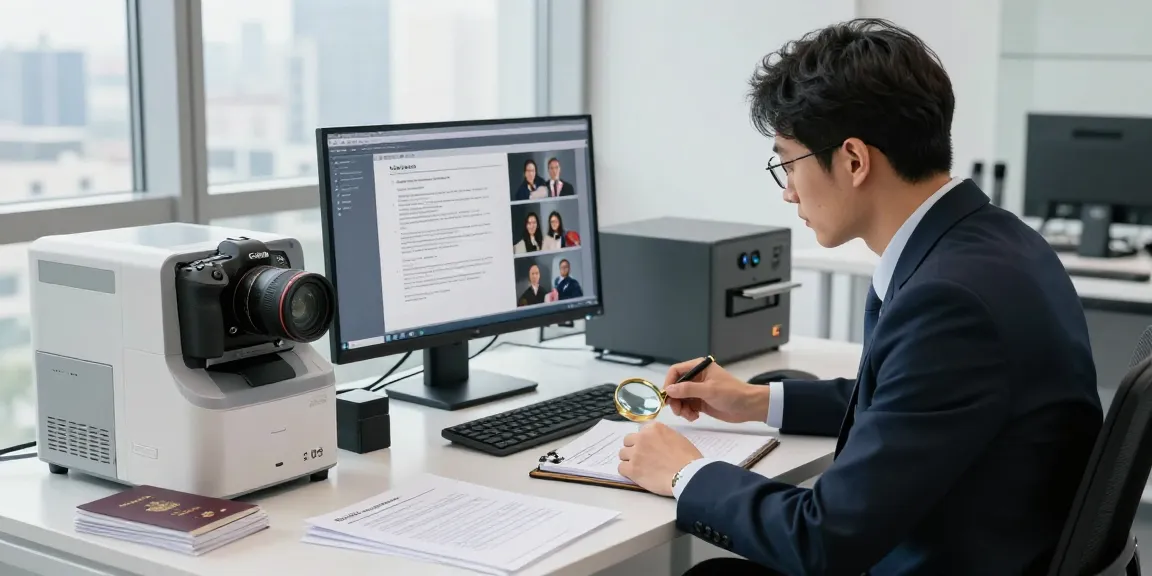
Understanding Forensic Auditing
Forensic auditing is a specialized field that combines accounting skills with investigative techniques to examine financial discrepancies and fraud allegations. With the increasing complexity of financial transactions and the growing sophistication of fraudulent schemes, forensic auditors play a critical role in uncovering wrongdoing and ensuring justice. They are tasked with not only identifying financial misconduct but also providing expert testimony in legal proceedings. As organizations like aafikotabandung.org continue to promote the profession, understanding the fundamentals of forensic auditing becomes more crucial for both practitioners and stakeholders.
What is Forensic Auditing?
Forensic auditing refers to the examination and evaluation of a firm's or individual’s financial records to derive evidence concerning fraud or financial misrepresentation. This process often involves the analysis of financial documents, interviews with relevant parties, and the compilation of reports that can be used in court if necessary. Forensic auditors must possess a strong grasp of accounting principles, legal frameworks, and investigative techniques to be effective.
The Importance of Forensic Auditing in Today's Society
As fraud continues to evolve, the importance of forensic auditing has become more pronounced. Organizations must be proactive in identifying potential vulnerabilities in their financial systems. This proactive approach not only protects assets but also upholds the integrity of corporate governance. In an era where public trust is paramount, ensuring that financial statements are accurate and free of fraud is vital for sustaining business operations and stakeholder relations.
Key Concepts and Terminology in Forensic Auditing
- Fraud Detection: The process of identifying and investigating suspected fraudulent activities.
- Evidence Gathering: The collection of documents, testimonies, and data to support findings in a forensic audit.
- Litigation Support: Services provided by forensic auditors that assist legal teams in understanding financial issues related to a case.
Trends Influencing Forensic Auditing
In the ever-evolving landscape of forensic auditing, several trends are shaping the practice and its effectiveness. Understanding these trends is crucial for professionals seeking to stay ahead in the field.
Emerging Technologies and Their Impact on Auditing
Technological advancements have revolutionized the forensic auditing process. Tools such as data analytics, artificial intelligence (AI), and blockchain technology are becoming increasingly important. These technologies enable auditors to analyze vast amounts of data rapidly and identify patterns that may indicate fraud. For example, advanced analytics programs can sift through millions of transactions to flag anomalies that warrant further investigation.
Legal and Regulatory Changes in the Audit Landscape
The regulatory environment for auditors is constantly changing, influenced by new laws designed to prevent and penalize fraud. Keeping abreast of these changes is essential for forensic auditors, as non-compliance can lead to severe penalties for organizations. For instance, regulations around the use of artificial intelligence in auditing are being scrutinized by lawmakers, necessitating a robust understanding of the legal implications of these technologies.
Increasing Demand for Forensic Auditors
The demand for qualified forensic auditors is on the rise, driven by heightened awareness of fraud and misconduct across industries. Organizations are increasingly recognizing the value of forensic auditing as a preventative measure, prompting a surge in training and educational initiatives. This trend indicates a promising future for the profession and underscores the necessity for continuous professional development.
Building Competencies in Forensic Auditing
To meet the demands of the evolving audit landscape, professionals in this field must focus on enhancing their competencies. This includes refining their technical skills, understanding new technologies, and expanding their soft skills.
Essential Skills for Modern Forensic Auditors
- Analytical Skills: The ability to assess complex data and derive meaningful insights is vital.
- Attention to Detail: Forensic auditors must meticulously review records and processes to identify discrepancies.
- Strong Communication Skills: The ability to present findings clearly to non-experts is essential, especially in legal settings.
Continuous Education and Professional Development Strategies
Continual learning is a cornerstone of a successful career in forensic auditing. Professionals should actively seek certification programs, workshops, and seminars that provide updates on the latest trends and technologies in the field. Organizations such as AAFI Kota Bandung offer opportunities for members to participate in specialized training and development activities that enhance professional skills.
Networking and Collaborating with Other Professionals
Building a network with other professionals in the forensic auditing field can provide valuable insights and collaboration opportunities. Engaging with peers through local chapters, such as AAFI Kota Bandung, can lead to sharing best practices and navigating the challenges of the profession together.
Challenges and Solutions in Forensic Auditing
Despite its importance, forensic auditing is fraught with challenges that can hinder effectiveness. However, understanding these challenges can help auditors devise effective strategies to overcome them.
Common Obstacles Forensic Auditors Face
- Resource Limitations: Budget constraints can limit access to essential tools and training.
- Resistance from Organizations: Some organizations may be reluctant to cooperate during investigations, fearing reputational damage.
- Data Privacy Concerns: Navigating privacy laws while conducting audits can complicate investigations.
Strategies to Overcome Forensic Audit Challenges
To successfully navigate these obstacles, forensic auditors can adopt several strategies. Emphasizing the value of their work to the organization can help garner support. Additionally, utilizing technology to streamline processes can alleviate some resource limitations.
Case Studies of Successful Forensic Audits
Examining case studies can provide practical insights into effective forensic auditing practices. For example, a notable case involved a multinational corporation that faced allegations of financial misconduct. By employing forensic auditors, the company was able to uncover a complex scheme involving multiple levels of management, leading to criminal charges and significant reforms within the organization.
The Future of Forensic Auditing
The future of forensic auditing is bright, driven by technological advancements and growing awareness of the importance of financial integrity. As the profession evolves, continuing education and adaptation will be key to success.
Predictions for Forensic Auditing in 2026 and Beyond
Looking ahead, we can expect several trends to define the future of forensic auditing. The integration of artificial intelligence and machine learning will further streamline the auditing process, allowing professionals to detect fraud faster and more accurately. Additionally, regulatory frameworks will likely evolve to encompass new technologies, offering both challenges and opportunities for auditors.
How AAFI Kota Bandung is Leading the Profession
AAFI Kota Bandung stands at the forefront of forensic auditing in Indonesia, promoting professional standards and providing members with the resources they need to excel in their careers. Through various initiatives, the organization fosters an environment of learning, collaboration, and ethical practice.
Preparing for Changes in the Audit Industry Landscape
Auditors must remain vigilant and adaptable to the changing landscape of the audit industry. This involves staying informed about new regulations, technological advancements, and emerging trends that could impact their work. Active participation in professional organizations, such as AAFI Kota Bandung, is a valuable way to stay connected and informed.
Frequently Asked Questions
What is the role of AAFI Kota Bandung?
AAFI Kota Bandung serves as a professional body for forensic auditors, providing educational resources, networking opportunities, and advocacy for best practices within the industry. Its mission is to elevate the profession and ensure the highest standards of integrity and professionalism.
How can I become a forensic auditor?
To become a forensic auditor, individuals typically need a background in accounting or finance, combined with specialized training in forensic auditing techniques. Many pursue certifications such as the Certified Fraud Examiner (CFE) to enhance their credentials.
What are the benefits of forensic auditing?
Forensic auditing helps organizations detect and prevent fraud, ensure compliance with regulations, and enhance overall financial integrity. It also provides valuable insights into operational efficiency and risk management.
How does technology improve forensic auditing?
Technology enhances forensic auditing by enabling auditors to process vast amounts of data quickly, utilize advanced analytics for fraud detection, and improve the overall accuracy and efficiency of audits.
What training opportunities does AAFI Kota Bandung offer?
AAFI Kota Bandung offers various training programs, seminars, and workshops designed to equip members with the latest skills and knowledge in forensic auditing, ensuring that they remain competitive in the field.